

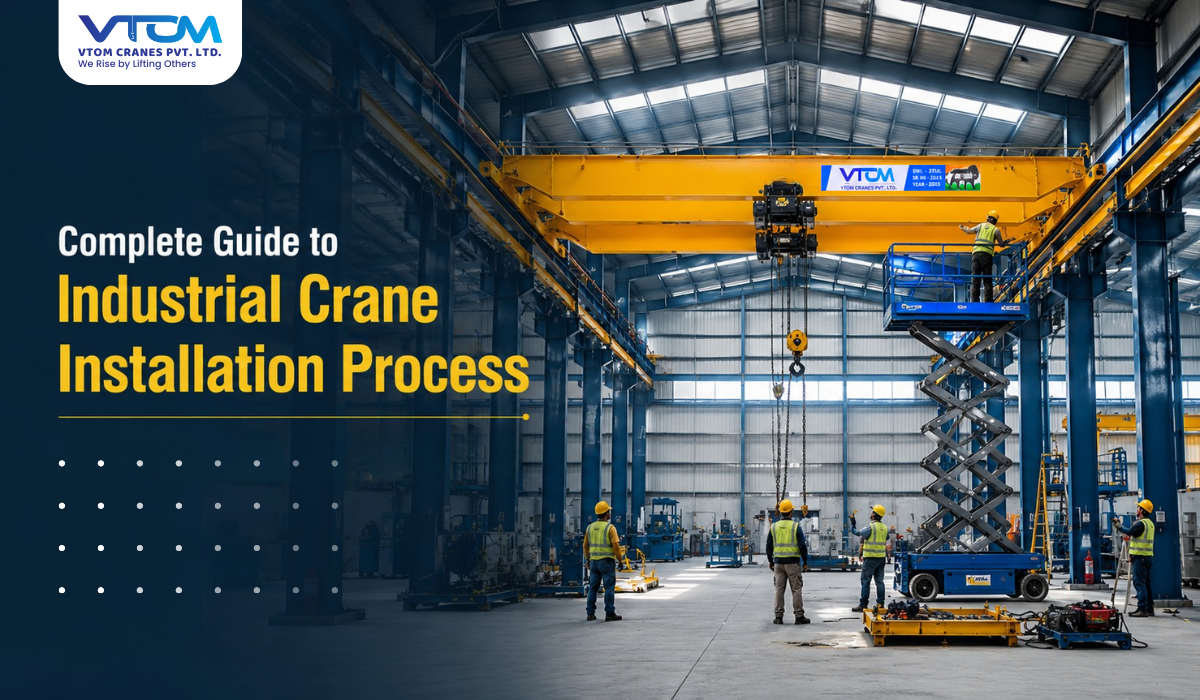
Managing heavy machinery needs precision and planning. This Complete Guide to Industrial Crane Installation is key for facility managers and contractors. It helps them handle complex overhead lifting needs.
Knowing the steps from buying to the final site visit is critical for keeping budgets on track. By following strict safety rules, you keep your facility running smoothly. You also meet all legal requirements.
We dive into the key steps of the crane installation process. This helps you dodge common mistakes. By following these steps, you reduce risks in setting up heavy equipment. This ensures your lifting systems work well for a long time.
Key Takeaways
- Establish a clear timeline from procurement to final site inspection.
- Prioritize safety protocols to remain compliant with industry regulations.
- Budget effectively by understanding each phase of the setup journey.
- Mitigate operational risks through careful planning and professional oversight.
- Ensure long-term equipment reliability with proper integration techniques.
Pre-Installation Planning and Site Assessment
Getting an industrial crane setup right needs careful planning. Before the crane arrives, experts must check the site for dangers. This Complete Guide to Industrial Crane Installation shows that planning ahead avoids delays and keeps everyone safe.
Structural Integrity Verification of the Facility
The first step is to check if the building can handle the crane’s weight. Engineers look at the main support columns and beams. If needed, they might add extra support to make sure everything is safe.
Compliance with Indian Industrial Safety Standards
Every installation must follow the Bureau of Indian Standards (BIS) and local laws. This makes sure the equipment is safe for use in India. Certified inspectors check that all safety features meet the national standards.
Logistics and Equipment Staging Requirements
Good logistics are key to moving heavy parts into the building. Installers work with contractors to avoid delays. They also make sure there’s a safe place to set up the crane parts.
| Planning Phase | Key Objective | Responsible Party |
|---|---|---|
| Structural Audit | Verify load-bearing capacity | Structural Engineer |
| Safety Compliance | Meet Indian IS Standards | Safety Officer |
| Logistics Setup | Clear staging area access | Project Manager |
| Hazard Analysis | Identify overhead obstructions | Installation Team |
By using this Complete Guide to Industrial Crane Installation, managers can reduce risks. Good planning is crucial for a successful industrial crane setup. It ensures the crane works well and safely for a long time.
The Complete Guide to Industrial Crane Installation Phases
The journey from planning to crane installation needs careful mechanical planning. Skilled teams must work together to turn blueprints into a working lifting system. Most projects take 2 to 10 business days for the physical installation.
Foundation Preparation and Runway Beam Alignment
Before heavy parts arrive, the foundation’s strength is checked. The runway beam alignment is the backbone of the system. Any small mistake can cause big problems and higher maintenance costs later.
Technicians use laser tools to make sure the rails are straight and level. This is key for smooth movement and the crane’s long-term strength. Following these crane installation steps helps avoid unnecessary stress and friction.
Assembly of Bridge Girders and End Trucks
After the runway is ready, the bridge girders and end trucks are assembled on the ground. A clean, organized area is crucial to avoid damage. Workers carefully attach the end trucks to the main girders, following the manufacturer’s torque specs.
Safety is the highest priority during assembly. Teams check electrical connections before lifting the structure. This way, they spend less time at dangerous heights.
Hoisting and Positioning the Crane System
The last step is lifting the assembled bridge and trolley onto the runway beams. Specialized mobile cranes and a skilled rigging team manage the load safely. Clear communication between the rigger and crane operator is crucial to avoid accidents.
After positioning, the final crane installation steps include securing the end trucks to the rails. The team checks all fasteners and supports one last time. This careful approach ensures the crane is ready for electrical and control system integration.
Mechanical and Electrical Component Integration
Setting up an industrial crane needs both mechanical parts and electrical smarts. First, the crane’s frame is built. Then, the inside systems are put together. This makes the crane ready to lift heavy things safely.
Installing the Hoist and Trolley Mechanisms
The hoist and trolley are the crane’s core. Technicians must align them well with the beams. Precision is key for smooth movement.
Wiring and Control Panel Configuration
Today’s cranes need smart electrical systems. Wiring must be safe from damage. The control panel, or the crane’s brain, must follow the maker’s guide for good performance.
Safety Limit Switches and Emergency Stop Systems
Safety is top when setting up a crane. Limit switches stop the hoist from going too far. Emergency stops are easy to find for quick shutdowns.
Calibration of Overload Protection Devices
Overload protection stops big problems. These sensors check if the crane is lifting too much. Right calibration stops the crane if it’s lifting too much, keeping everyone safe.
Testing Electrical Continuity and Grounding
Testing electrical paths is crucial. Good grounding protects against power spikes. This crane installation checklist makes sure the crane is safe and meets Indian standards.
| Component | Action Required | Safety Priority |
|---|---|---|
| Hoist Motor | Verify alignment | High |
| Control Panel | Check wiring | Medium |
| Limit Switches | Test functionality | Critical |
| Grounding Wire | Measure resistance | Critical |
Rigging and Load Testing Procedures
Rigging and load testing are the last steps before a crane is ready to work. After the crane is built, it must be tested to make sure it’s safe. This ensures the crane’s parts work well under real conditions.
Static Load Testing Protocols
Static testing checks if the crane’s structure is strong without moving. It follows rules set by OSHA and others, testing at 125% of the crane’s capacity before use. This test makes sure the crane can handle its maximum weight safely.
During this test, the load is placed at different points on the crane. Technicians watch for any signs of weakness or stress. Safety is the absolute priority during these checks to avoid mechanical failures.
Dynamic Load Testing and Performance Verification
Dynamic testing checks how the crane moves with a load. It tests the crane’s parts as they move, making sure everything works right. This includes checking the brakes and control systems.
Engineers look for smooth movement and no unusual sounds or vibrations. Any issues are fixed right away to ensure the crane is reliable. These crane installation steps are crucial for safe handling of heavy loads every day.
Documentation and Certification Requirements in India
In India, keeping detailed records of load tests is a must. These records prove the crane’s safety at the start. Owners must have these documents ready for inspections by authorities or auditors.
The final certification package includes test certificates and other important documents. Having these documents ensures your facility meets safety standards. Below is a summary of the key testing parameters required for final sign-off.
| Test Category | Primary Objective | Load Percentage |
|---|---|---|
| Static Test | Structural Integrity | 125% of Rated Load |
| Dynamic Test | Operational Function | 100% of Rated Load |
| Brake Test | Stopping Reliability | 100% of Rated Load |
| Limit Switch Test | Safety Cut-off | No Load Required |
Maintenance and Operational Safety Protocols
Operational excellence begins when your equipment is ready to go. To keep it running well, facility managers need a strict care plan. A detailed crane installation checklist helps protect your investment and keeps performance high.
Routine Inspection Schedules for Crane Longevity
Regular inspections are key to a healthy industrial setup. A set schedule helps catch small issues before they grow. Proactive maintenance saves money compared to fixing things when they break.
Here’s what your maintenance plan should cover:
- Daily checks of wire ropes and hooks for damage.
- Monthly oiling of moving parts to cut down on wear.
- Quarterly checks of the crane’s structure and electrical links.
- Annual load tests to ensure safety systems work right.
Operator Training and Certification Standards
Even top-notch machines need skilled operators. In India, following safety standards is the law. Proper training helps your team know how to use the equipment right.
Focus on these key skills in training:
- Understanding load charts and weight limits.
- Learning to control the crane to avoid swinging loads.
- Spotting early signs of mechanical trouble.
Emergency Response and Troubleshooting Basics
Even with good maintenance, things can still go wrong. A solid emergency response plan is crucial for quick fixes and safety. Operators need to know when to stop the system fast.
Here are some basic steps for troubleshooting:
- Make sure emergency stop buttons work and are easy to reach.
- Look for error codes or tripped breakers on the control panel.
- Have clear ways to report any system problems.
By following these safety steps every day, you keep your workplace safe. Regularly check your crane installation checklist to stay on track and keep things running smoothly.
Conclusion
Installing heavy lifting equipment needs both technical skill and strict safety rules. This guide helps facility managers improve their material handling. It sets up your team for long-term success and top performance.
Today’s factories need to be efficient and safe for workers. Using this guide helps your team follow India’s strict rules. Paying close attention to setup details avoids expensive delays and keeps your equipment running longer.
Investing in professional setup and upkeep is key to protecting your equipment. Contact certified engineers to make sure your place is safe. Begin your next project with confidence by using these tested methods in your setup.
About OM Cranes
OM Cranes provides reliable industrial crane installation services for businesses in Pune, Chikhali, and Pimpri-Chinchwad. Our team focuses on safe, efficient, and properly planned crane installation for different industrial applications.
We provide support from installation and setup to testing and maintenance, helping industries achieve safe and smooth crane operations with dependable technical expertise.
FAQs
1. What is involved in industrial crane installation?
Industrial crane installation includes site preparation, crane assembly, electrical connections, alignment, testing, and safety checks.
2. Where can I get industrial crane installation services in Pune?
OM Cranes provides industrial crane installation services in Pune, including Chikhali and Pimpri-Chinchwad, based on specific site and crane requirements.
3. How long does industrial crane installation take?
Installation time depends on the crane type, capacity, site conditions, and installation requirements. Proper planning helps ensure safe and efficient completion.
4. Why is professional crane installation important?
Professional installation ensures proper alignment, safe operation, reliable performance, and helps reduce the risk of crane breakdowns.
5. Does OM Cranes provide crane installation in Chikhali and Pimpri-Chinchwad?
Yes, OM Cranes provides crane installation and technical support for industrial customers in Chikhali, Pune, Pimpri-Chinchwad, and nearby areas.
 Previous Post
 Next Post