

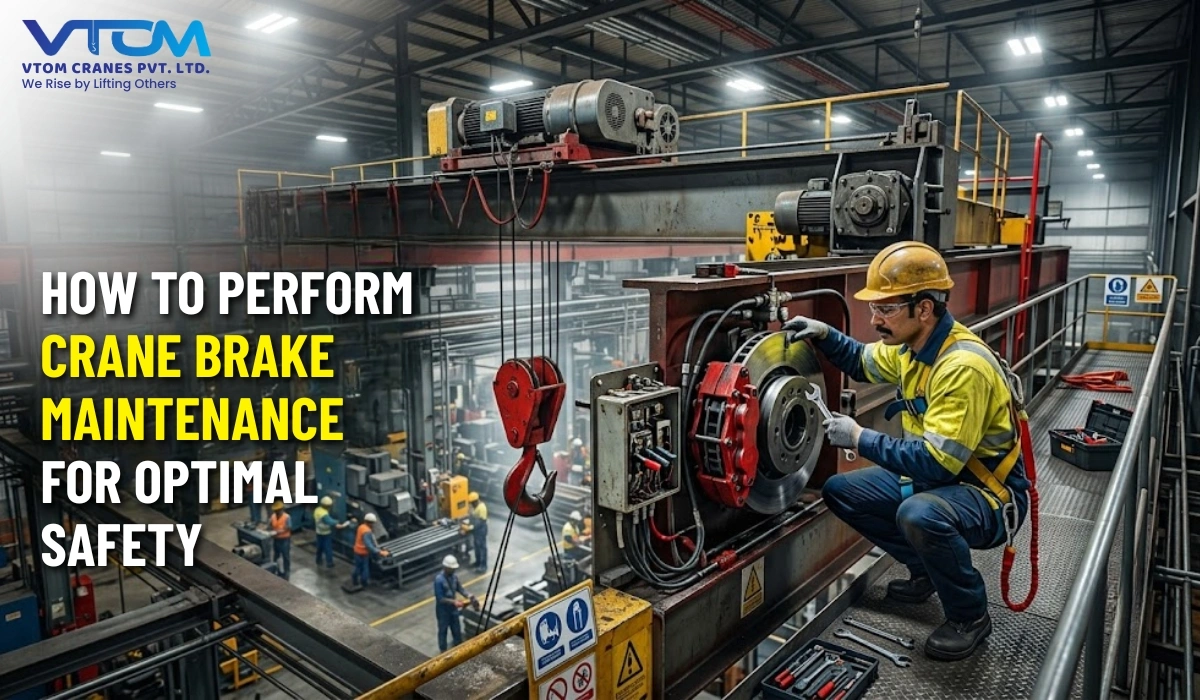
Industrial operations depend on overhead lifting systems for precision and reliability. These machines must work perfectly to keep workplaces safe. The stopping mechanism is key when moving heavy loads to prevent accidents.
Crane Brake Maintenance needs a careful routine. This includes regular checks, precise adjustments, and consistent lubrication. Following these steps helps extend equipment life and keeps workers safe.
Key Takeaways
- Prioritize regular inspections to identify wear before it leads to failure.
- Consistent lubrication is essential for smooth operation and heat reduction.
- Proper adjustments ensure that heavy loads are handled with maximum precision.
- Routine care significantly lowers the risk of workplace accidents and downtime.
- Following professional guidelines keeps your lifting equipment in peak condition.
Understanding the Importance of Crane Brake Maintenance
An overhead crane’s safety depends a lot on its brakes. These parts turn kinetic energy into heat through friction. This helps the crane slow down or stop safely. When the motor is off, the brakes hold heavy loads in place.
Role of Braking Systems in Overhead Crane Safety
A good braking system is key to overhead crane safety. It controls the crane’s movements, preventing loads from moving by accident. This lets operators move materials safely, knowing the crane will work as expected.
Regular crane brake inspection is crucial. It catches wear early, keeping the system reliable. Adding these checks to a crane safety inspection plan ensures safety standards are met.
Common Risks Associated with Brake Failure
Ignoring brake maintenance is risky. A failed brake can cause a load to fall, damaging equipment or hurting people. Even a small slip can cause delays and increase accident risks.
The table below shows the dangers of bad brakes and how they affect work:
| Risk Factor | Operational Impact | Safety Consequence |
|---|---|---|
| Worn Brake Linings | Increased stopping distance | Potential load collision |
| Hydraulic Fluid Leaks | Loss of clamping force | Uncontrolled load drop |
| Mechanical Linkage Seizure | Delayed response time | Erratic crane movement |
| Spring Fatigue | Inability to hold load | Total system failure |
Knowing these risks shows why crane safety inspection is essential. Fixing problems early keeps workers safe and equipment running longer. Staying alert is the best way to avoid mechanical failures.
Essential Tools and Safety Protocols for Technicians
Getting ready is key for good industrial brake maintenance. Before starting, make sure the area is safe to avoid accidents. Following safety rules keeps people safe and makes equipment last longer.
Personal Protective Equipment Requirements
Wearing the right gear is a must for crane brake service. Technicians need top-notch safety items to stay safe around heavy machines. In India, the usual safety items include:
- Hard hats to protect against overhead hazards.
- Steel-toed safety boots for foot protection.
- High-visibility vests to ensure clear communication on the shop floor.
- Industrial-grade gloves to handle abrasive brake components safely.
Lockout and Tagout Procedures for Industrial Cranes
Lockout and tagout (LOTO) procedures are a must before any maintenance or inspection. This step makes sure the crane is not moving while being worked on. Following LOTO rules closely is the best way to avoid accidents.
Here’s how to lock down the system:
- Find all energy sources connected to the crane.
- Lock the main power disconnect switches.
- Put up clear warning tags showing who’s working and why.
- Check that the power is off by trying to use the crane controls.
Required Diagnostic Tools for Brake Assessment
Good industrial brake maintenance needs the right tools. These tools help find problems early, before they get worse. A good crane brake service toolkit should have these items:
| Tool Name | Primary Function |
|---|---|
| Digital Calipers | Measuring brake lining thickness |
| Feeler Gauges | Checking air gaps in electromagnetic brakes |
| Torque Wrenches | Ensuring fasteners meet manufacturer specifications |
| Multimeters | Testing electrical continuity in brake coils |
Conducting a Comprehensive Crane Brake Inspection
A systematic approach to crane brake inspection is vital for maintaining operational safety in industrial environments. By following a structured process, technicians can identify potential hazards before they lead to equipment failure or workplace accidents.
Implementing a consistent crane maintenance checklist ensures that no critical component is overlooked during routine assessments. This proactive strategy is the foundation of any reliable safety program.
Visual Examination of Brake Linings and Drums
The first step involves a detailed visual check of the friction surfaces. Technicians must look for signs of glazing, which often indicates that the brakes have been overheating during operation.
It is also essential to inspect the drums for deep scoring or uneven wear patterns. Excessive wear on these components directly impacts the stopping power of the crane and requires immediate attention.
Checking for Hydraulic Leaks and Fluid Levels
A thorough crane safety inspection must include the hydraulic system, as even minor leaks can compromise pressure. Check all hoses, fittings, and seals for signs of seepage or fluid loss.
Maintaining the correct fluid levels is critical for consistent brake performance. If the reservoir is low, investigate the source of the leak before simply topping off the fluid.
Evaluating Mechanical Linkages and Springs
Mechanical linkages require careful observation to ensure they move freely without binding. Over time, these parts can accumulate dust or debris that restricts their range of motion.
Springs should be checked for proper tension and signs of fatigue or corrosion. Ensuring these mechanical parts are fully functional is a key requirement of a comprehensive crane maintenance checklist to prevent delayed response times.
Step-by-Step Guide to Brake Adjustment
Keeping brakes adjusted right is key for safe crane use in work places. The right tension and clearance help your crane work as it should. Regular checks stop overheating and make parts last longer.
Calibrating Brake Torque Settings
Getting the brake torque right is crucial for holding loads. Technicians need to look at the OEM manual for the right values. They adjust spring tension to get these settings.
Adjusting Air Gaps for Electromagnetic Brakes
Electromagnetic brakes need a certain air gap to work right. If the gap is off, the brake might not work well or at all. Use feeler gauges to check and adjust the gap as needed.
Aligning Brake Shoes for Uniform Wear
Brake shoes need to touch the drum evenly for good stopping power. Shoes that don’t align right can wear out fast. Here’s how to keep them aligned:
- Loosen the anchor pins to let the shoe fit the drum right.
- Apply a little pressure to center the shoes.
- Tighten the parts while keeping the shoes centered.
- Make sure the shoe covers at least 80% of the drum.
Parts will wear out over time, even with good care. If problems keep happening, it might be time for crane brake repair. If the brake material is too thin or parts are broken, it’s safer to replace the crane brake entirely.
Lubrication Best Practices for Brake Components
Effective industrial brake maintenance depends on the right use of lubricants. Without grease, parts rub against each other, causing damage and safety risks. Adding these steps to your crane maintenance checklist keeps your equipment running smoothly.
Identifying Critical Friction Points
Technicians need to focus on where metal parts touch. Key areas include pivot pins, brake linkages, and spring-loaded parts. Regularly checking these spots for dryness or wear is crucial for smooth operation.
Selecting the Correct Industrial Lubricants
Picking the right lubricant is key. Choose high-quality greases that handle heat and water well, important for cranes in tough spots. Always check the manual to make sure the lubricant fits your crane.
- Use high-temperature synthetic grease for heavy-duty applications.
- Verify compatibility with existing seals to prevent rubber degradation.
- Apply lubricants sparingly to avoid attracting dust and debris.
Preventing Contamination During the Greasing Process
Contamination is a big problem in industrial brake maintenance. Clean the areas before greasing to keep out dirt. Use clean tools and seal grease containers to protect your parts.
By sticking to these lubrication steps, you can make your brakes last longer. Regular care is vital for a good crane maintenance checklist. It saves you money and keeps your place safe.
Preventive Maintenance Strategies for Long-Term Reliability
Creating a maintenance plan is key to keeping your lifting gear running long. Moving from fixing problems as they happen to being proactive helps keep your equipment safe and working. Regular Crane Brake Maintenance is crucial for this, protecting your team and saving money.
Establishing a Routine Maintenance Schedule
Having a set maintenance schedule is vital. It helps spot issues before they become big problems. Make sure your checks match the manufacturer’s advice and your daily use. This way, small issues are caught early, avoiding costly crane brake repair later.
Monitoring Brake Wear Patterns Over Time
Watching how brake parts wear out gives you important info. By tracking these changes, you can tell when parts need to be replaced. This planning helps avoid stopping production for crane brake replacement.
When to Consider Crane Brake Repair or Replacement
Choosing between fixing or replacing brake parts needs careful thought. If the brake surfaces are damaged, you must act fast to stay safe. Being prepared means you won’t have to stop work for long, saving you money.
| Component Status | Recommended Action | Priority Level |
|---|---|---|
| Minor Surface Wear | Clean and Adjust | Low |
| Uneven Friction Contact | Align Linkages | Medium |
| Significant Material Loss | Schedule Replacement | High |
| Complete Brake Failure | Emergency Repair | Critical |
Addressing Common Brake Performance Issues
Even the most reliable equipment can face unexpected problems. Regular maintenance helps, but operators must watch for signs of wear. Quick action through crane brake service can prevent big issues.
Troubleshooting Brake Drag and Overheating
Brake drag happens when the brake stays on even when you release it. This causes too much heat, which can damage the brake. If you smell burning or see high temperatures, check for binding or wrong settings.
Resolving Delayed Response Times
A slow response to brake commands might mean a hydraulic or electrical problem. Air in the lines or low fluid can cause a soft brake feel. For electric brakes, a big air gap can stop the brake from working right.
Managing Unusual Noises During Operation
Strange sounds mean your equipment needs help fast. Grinding sounds mean the brake pads are too thin. Squealing might mean the brake surface is dirty. Getting a crane brake service early can stop more damage.
| Symptom | Potential Cause | Recommended Action |
|---|---|---|
| Excessive Heat | Brake Drag | Adjust clearance settings |
| Delayed Response | Air in hydraulics | Bleed lines and check fluid |
| Grinding Noise | Worn brake pads | Replace friction material |
| Squealing Sound | Surface glazing | Clean or resurface components |
Conclusion
Reliable braking systems are key to a productive facility. Keeping these systems in check ensures your machinery works well for years.
Staying focused on overhead crane safety is the best way to avoid expensive downtime. By being proactive, you can handle risks and keep your production lines running smoothly.
Keeping your team safe is crucial. A culture of safety and strict maintenance is essential. Every check and tweak helps create a safe space for your workers.
Using manuals from top brands like Konecranes or Demag helps with specific models. Getting certified pros for tough repairs ensures your gear is up to code.
Putting safety first is a smart investment in your success. Start these strict maintenance habits now. This way, your facility will be a model of excellence and reliability.
About Us
OM Cranes is a trusted provider of industrial crane solutions, specializing in crane manufacturing, modernization, preventive maintenance, breakdown services, crane health assessments, and spare parts support. With years of industry expertise and a skilled service team, we help industries maximize crane safety, minimize downtime, and improve operational efficiency. Serving manufacturing plants and industrial facilities across Chikhali, Pimpri Chinchwad, Pune, and surrounding industrial areas, we deliver reliable crane maintenance solutions tailored to your business needs.
FAQs
1. Why is crane brake maintenance important?
Crane brake maintenance is essential for safe lifting operations. Properly maintained brakes prevent load slippage, reduce accident risks, minimize equipment downtime, and extend the overall lifespan of industrial cranes.
2. How often should industrial crane brakes be inspected?
Crane brakes should be visually inspected before daily operations and undergo comprehensive preventive maintenance at intervals recommended by the manufacturer or based on crane usage. Regular inspections help identify wear before it leads to failure.
3. What are the common signs that crane brakes need maintenance?
Common warning signs include reduced stopping power, unusual noises, overheating, delayed braking response, excessive brake pad wear, vibration during operation, and difficulty holding suspended loads.
4. Does OM Cranes provide crane brake maintenance services in Chikhali, Pimpri Chinchwad, and Pune?
Yes. OM Cranes offers professional crane brake inspection, preventive maintenance, repairs, and replacement services for EOT cranes, gantry cranes, jib cranes, and other industrial lifting equipment across Chikhali, Pimpri Chinchwad, Pune, and nearby industrial locations.
5. How does preventive crane brake maintenance reduce operating costs?
Routine brake maintenance helps detect issues early, prevents costly breakdowns, reduces production downtime, improves workplace safety, extends crane component life, and lowers long-term repair and replacement expenses.
 Previous Post
 Next Post