

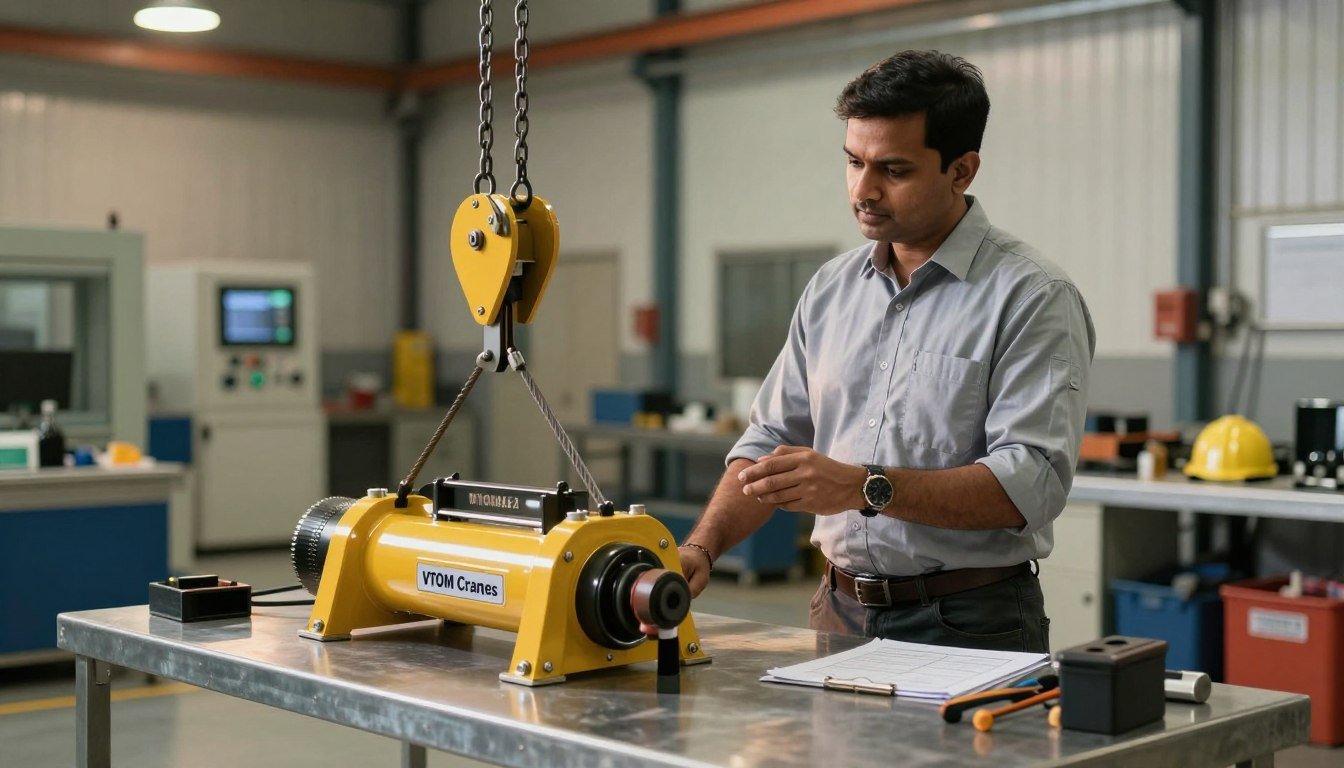
When considering Electric Hoist vs Wire Rope Hoist, a facility is usually comparing a chain-based electric hoist with a drum-based wire rope model. The names can be misleading: a wire rope hoist is actually one type of electric hoist, not a separate category. The right choice depends on your load capacity, work cycle, lifting height, and building layout. For Indian facilities, the Electric Hoist vs Wire Rope Hoist comparison mainly comes down to application suitability, upfront cost, maintenance requirements, and service life. The lifting mechanisms explain why these hoists perform differently.
Key Takeaways
- Choose by load, work cycle, and layout, not by name alone.
- Chain models often suit compact setups and careful positioning.
- Wire rope models often suit frequent, demanding lifting.
- Compare quotes only when key specifications match.
- Check installation needs and service support before ordering.
How Do Electric Chain and Wire Rope Hoists Lift Loads?
An electric hoist uses a motor to raise and lower a load, but its lifting element and drive mechanism depend on the model. A wire rope hoist winds steel wire rope onto a drum with shaped grooves. Those grooves guide the rope as it winds and unwinds, helping it sit in place.
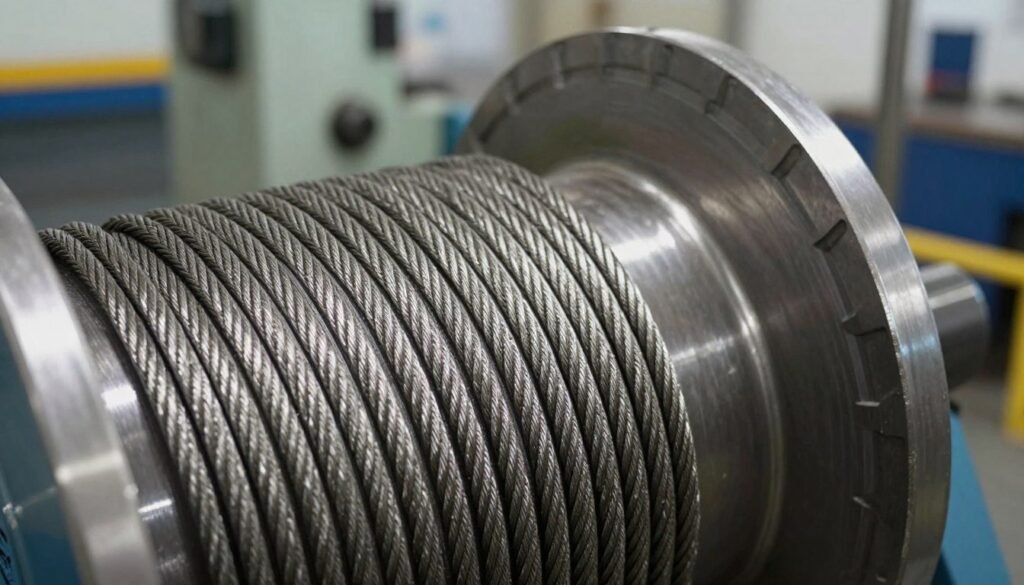
An electric chain hoist pulls chain through a load wheel, which moves the load up or down. The chain commonly gathers in a dedicated container as it leaves the wheel. Both designs are lifting equipment, but their different parts shape how they fit a job.
A wire rope hoist winds steel rope onto a grooved drum; an electric chain hoist pulls chain through a load wheel.
That distinction is the starting point for choosing between them. Operators notice differences in load movement, lift speed, and positioning during daily work.
Electric Hoist vs Wire Rope Hoist: Which Differences Matter in Operation?
A production line lifting heavy loads throughout a shift has different priorities from a workstation placing parts precisely. Wire rope hoists often suit high-use lifting, while electric chain hoists can offer controlled positioning in a compact setup. The right operating choice depends on the job, not just the hoist label.
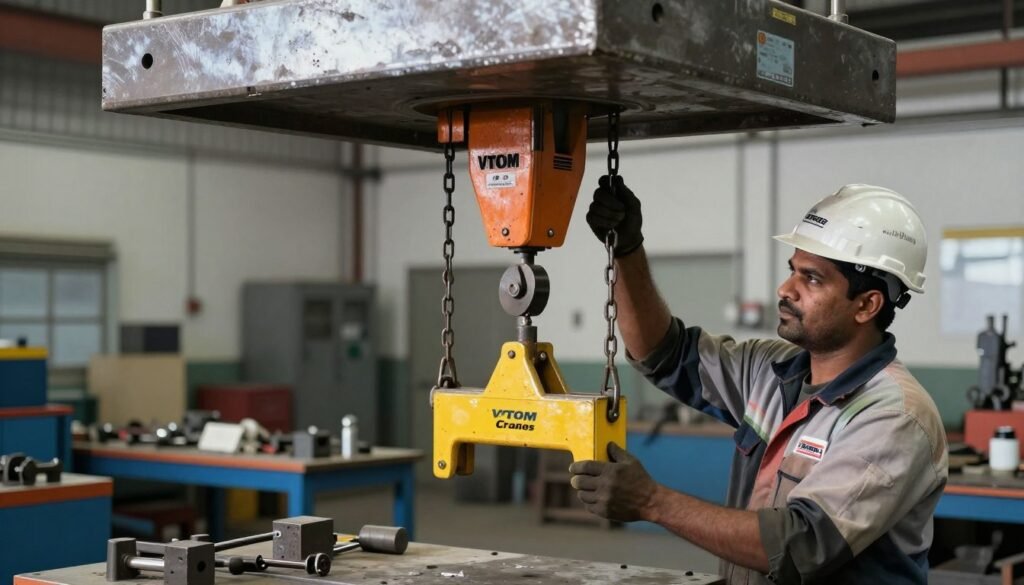
Wire rope hoists are commonly selected for higher capacities, faster lifts, and continuous heavy-duty cycles. Chain hoists often fit moderate-to-heavy loads where compact installation and careful placement matter. In “electric hoist vs wire rope hoist vs chain hoist,” the chain hoist is another electric hoist type, not a separate umbrella category.
How Do Capacity and Duty Cycle Compare?
Capacity and duty describe different limits: capacity covers the load rating, while duty reflects how often and hard the hoist works. A plant that lifts heavy loads repeatedly may favor a rope hoist built for frequent cycles. A chain hoist can suit a work area with moderate-to-heavy lifting and less demanding use.
How Does Each Hoist Position the Load?
Chain hoists provide true vertical lift, keeping the hook line below the hoist. Rope winding across a drum can shift the hook line sideways. An angled pull can move wire rope out of its drum groove, so stay within the equipment’s operating limits.
| Operating factor | Electric chain hoist | Electric wire rope hoist |
|---|---|---|
| Typical duty | Repeated workstation lifts with varied pauses | Frequent lifting across demanding production cycles |
| Capacity fit | Moderate-to-heavy loads within model limits | Higher capacities for substantial loads |
| Hook movement | True vertical lift beneath the hoist | Hook line may shift sideways as rope winds |
| Lift speed | Controlled movement for careful placement | Faster lifting on many heavy-duty models |
These performance differences affect both output and placement quality. Upfront cost and ownership needs add another part to the decision.
What Drives Electric Hoist vs Wire Rope Hoist Cost?
Two quotes are only comparable when they cover the same rated capacity, lift, speed, and duty. An electric chain hoist often costs less upfront than a wire rope hoist with comparable specifications. The electric hoist vs wire rope hoist cost question changes when you include installation, upkeep, and use over time.
What Affects the Initial Purchase Cost?
Price depends on capacity, lift height, speed, duty cycle, controls, mounting, installation, and service needs. A low quote may leave out controls or support that another offer includes. Match each specification before judging the total.
How Do Use and Upkeep Shape Lifecycle Cost?
High utilization can make a wire rope hoist a better lifecycle value, even when its initial cost is higher. The comparison depends on how much work the unit performs and what upkeep its components need. Service life also depends on the work setting, inspections, and timely replacement of worn parts.
| Cost consideration | Electric chain hoist | Electric wire rope hoist |
|---|---|---|
| Initial purchase | Often lower at comparable specifications | Often higher at comparable specifications |
| Installation | Can need less room for the hoist body | Can need more room for drum and clearance |
| Wear components | Chain and load-wheel parts need attention | Wire rope and drum-related parts need attention |
| Lifecycle value | Can suit intermittent or moderate use | Can pay off in plants with high utilization |
A fair ownership estimate weighs the same work cycle and service needs for both models. Next, check whether either design fits the available space and lifting path.
How Do Lift Height and Headroom Affect Hoist Choice?
In a low-bay retrofit, the clearance above the hook can determine which hoist will physically fit. An electric chain hoist has a compact body whose length does not grow with lift height. A wire rope model needs a drum sized for its rope and lift, which can enlarge the equipment envelope.
What Space Does Each Hoist Need?
Wire rope hoists are commonly used for longer lifts, but the drum and its clearances need space. Check the full installed envelope, not only the hoist body. Include the hook’s travel, load approach, trolley, mounting structure, and nearby obstructions in the layout review.
A drawing that shows the body alone can hide a clash with a beam or roof. Confirm the available height from the support point to the floor, then compare it with the required hook travel and attachments. This check helps show whether the load can reach its work position.
When Is an Angled Lift Appropriate?
A true vertical lift keeps the load below the hoist, which suits many overhead lifting tasks. Some electric chain models allow slant lifting up to 15 degrees. That limit applies only to selected models and must follow the manufacturer’s instructions.
Do not treat a stated angle as general approval for every load or setup. Get manufacturer approval for the planned application before using a chain hoist at an angle. Geometry also affects how you inspect the chain or wire rope and keep the work safe.
What Maintenance and Safety Checks Do the Hoists Need?
A quick check of an accessible chain and a full-length rope inspection are not the same maintenance task. Chain links can be checked visually for damage, while wire rope needs attention along its entire length. Rope damage may appear away from the hook or drum, so a short glance can miss it.
Look for fraying, crushing, kinks, and strand or core damage in wire rope. Inspect chain links, hooks, and load attachments as part of the site’s lifting safety routine. Inspection intervals and rejection limits must follow the manufacturer’s instructions and applicable site procedures.
- Check chain links for visible wear, distortion, or damage.
- Inspect the full wire rope length for fraying, crushing, kinks, and strand or core damage.
- Check hooks and load attachments for condition and secure connection.
- Record inspections, repairs, and any parts replaced.
Keep records with the equipment so staff can track its inspection and repair history. Use these needs alongside the work setting to narrow which hoist applications fit.
Which Hoist Fits Your Facility’s Work?
A steel plant crane bay and a compact assembly workstation rarely have the same lifting priorities. Wire rope hoists commonly work in EOT and gantry crane systems at steel, heavy-engineering, and automotive plants. Electric chain hoists are often used at workstations and on jib cranes.
Industry can offer a useful clue, but it does not decide the application by itself. A workstation may handle demanding loads, while a large plant may need a small local lifting point. Compare the actual task and site limits before choosing equipment.
- Load and duty: assess the heaviest load and how often the hoist runs.
- Positioning precision: consider how closely the load must reach its target.
- Installation space: check clearances, support, and travel path.
- Inspection capability: match the design to the site’s maintenance skills and process.
The best fit depends on the complete application, not an industry label alone. Once you settle on a type, check that the equipment and paperwork match the job.
What Should Buyers Verify Before Ordering a Hoist?
Before approving a quotation, confirm that the offered specification matches the load and the planned operating cycle. A wire rope hoist 1 ton and an electric wire rope hoist 2 ton are capacity-specific examples, not universal recommendations. The rated capacity must cover the load plus its lifting attachments.
Also match the hoist to the required travel, duty, and operating conditions. The hoist’s capacity is not the same as the full crane system’s rating. The crane, trolley, support, and other parts must suit the load as a complete system.
Do not select a hoist by capacity label alone. Match the load, attachments, work cycle, and full crane system.
How Should You Compare 1-Ton and 2-Ton Hoist Options?
Compare a one-ton and two-ton model against the same job details, not just their labels. Include the heaviest load and all lifting attachments in your load figure. Then match the selected rated capacity to the real duty and travel needs.
Check whether the proposed hoist works with the crane or support structure already in place. The full system’s rating may limit what you can lift, even if the hoist has a higher rating. Ask for written confirmation of the working configuration and its limits.
What Does an Electric Wire Rope Hoist HS Code Depend On?
An electric wire rope hoist HS code depends on the exact machine and its applicable customs classification. The product’s construction and function can affect how it is classified. Confirm the code against current Indian tariff guidance with a qualified customs broker.
Keep the product description and shipping documents consistent with the machine being imported. A broad product name may not give enough detail to support the correct classification. Check the paperwork alongside the technical specification before the order moves forward.
Use this short pre-order check to catch gaps before approving the offer:
- Load and attachments: confirm the heaviest lifted load, including lifting gear.
- Lift and duty specifications: state travel, operating cycle, and required speed.
- Installation and controls: confirm mounting, available space, and control needs.
- Classification and documents: confirm customs details and matching product records.
Ask for a written specification matched to your application, then compare it with the quotation and site requirements. That gives you a clear basis for the final decision.
Conclusion
Match the hoist to the real work cycle and installation, not to its name alone. Wire rope is generally the stronger fit for high-capacity, frequent-duty lifting. An electric chain hoist can suit a compact installation where precise positioning matters.
Share your load, lift, duty, and layout requirements with a qualified supplier. Ask for a written, application-based recommendation before ordering, with the equipment and supporting system specified for your job.
 Previous Post