

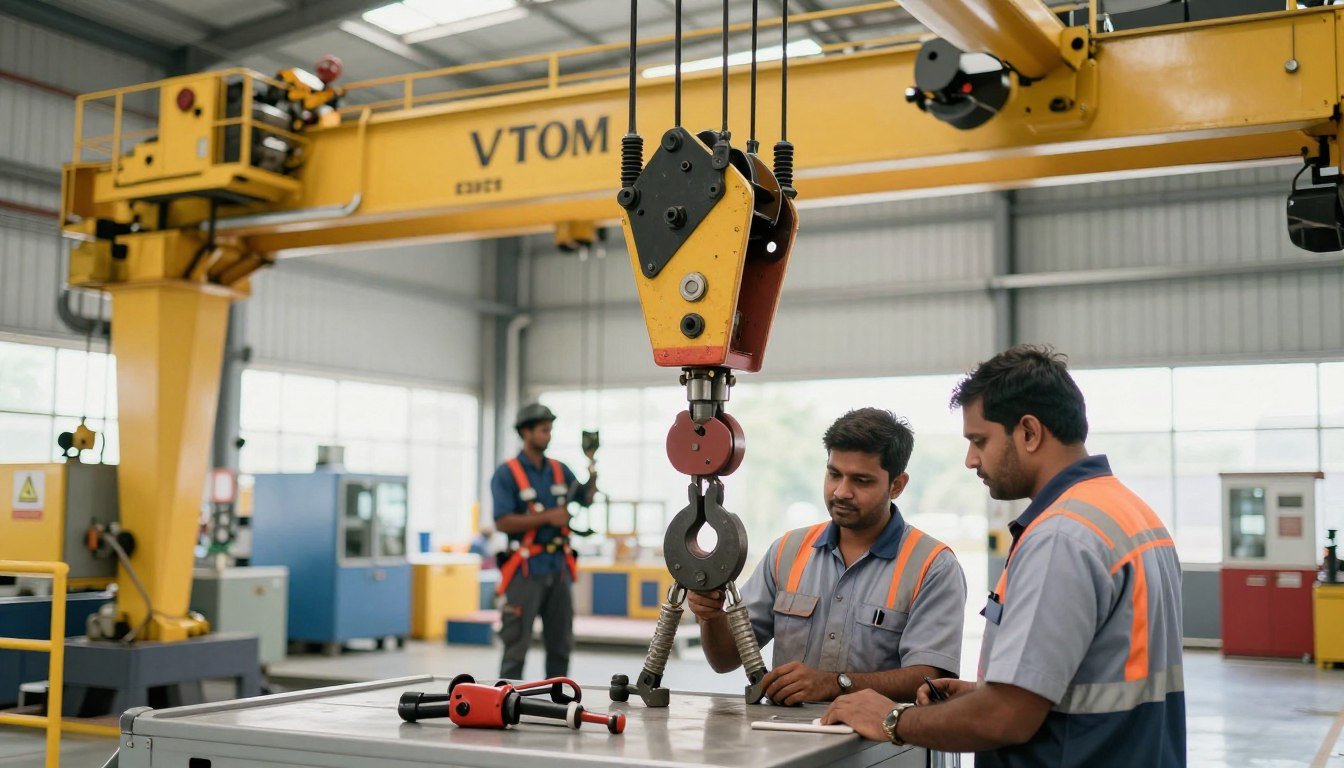
The global lifting equipment market is expanding rapidly and may exceed $38 billion by 2030. As industrial operations in India grow, crane maintenance safety becomes a top priority for facility managers. Neglecting routine care often causes unexpected downtime and severe financial losses.
A proactive approach helps reduce crane operating costs and extends heavy machinery’s lifespan. Accurate records and timely repairs support steady production and protect workers. Understanding industrial crane maintenance helps companies maximize their return on investment.
Avoiding common crane maintenance mistakes helps prevent equipment failure. This guide explains how structured care keeps your site running smoothly and safely.
Key Takeaways
- Prioritize regular inspections to enhance overall workplace safety.
- Implement preventive care to significantly lower long-term operational expenses.
- Maintain detailed service logs to track equipment health and compliance.
- Address minor mechanical issues early to avoid costly emergency repairs.
- Invest in qualified technical support to ensure high equipment reliability.
Why Common Crane Maintenance Mistakes Create Serious Risks
Ignoring routine care for lifting equipment creates avoidable danger at your facility. Minor mechanical issues can quickly become major hazards for operators and nearby workers. A rigorous crane preventive maintenance schedule supports long-term reliability and protects your team.
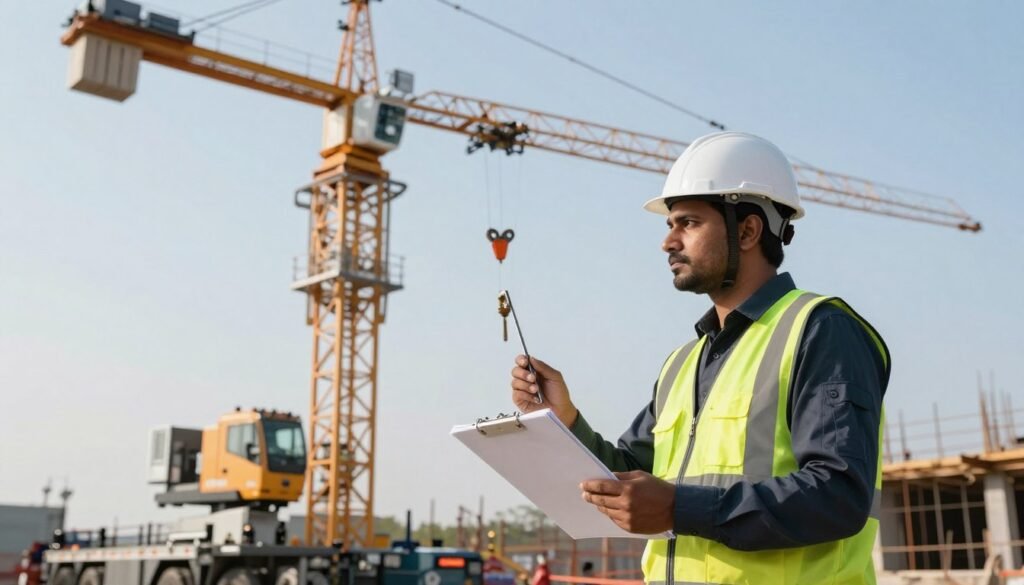
How deferred maintenance leads to equipment failure and workplace injuries
Deferred maintenance drives crane equipment failure. Unfixed defects, such as worn bearings or frayed cables, strain other healthy components. This domino effect can cause sudden, severe breakdowns during critical lifting operations.
These failures directly threaten workplace crane safety. A snapped cable or mechanical lock-up can drop loads without warning, endangering everyone on the factory floor. Regular intervention helps prevent these avoidable tragedies.
The connection between maintenance quality, lifting accuracy, and load control
High-quality maintenance improves machinery precision. Properly lubricated and calibrated components help the crane respond smoothly to operator commands. Poor maintenance causes jerky movements and delayed responses, making load control difficult.
Inaccurate lifting raises the risk of collisions with structural columns or other equipment. A thorough crane safety inspection helps keep every lift stable and predictable. Precision supports efficiency and remains essential for a secure work environment.
How poor records increase legal, operational, and financial exposure in India
In India’s industrial sector, detailed crane maintenance records are a legal necessity. Incomplete documents make compliance difficult to prove during government safety audits. After an accident, missing history can expose your company to severe legal and financial penalties.
Beyond legal risks, poor records make recurring defects harder to track. Without repair history, you may pay repeatedly for the same issues. Strong documentation practices help control repair budgets and guide informed equipment replacement decisions.
Common Crane Maintenance Mistakes to Eliminate
Many crane failures begin with missed steps in routine maintenance. Surface checks can miss hidden damage and cause sudden failure. A complete crane maintenance checklist ensures each critical part gets attention.
Skipping scheduled inspections and relying only on visual checks
Daily visual checks help, but they cannot replace formal, scheduled inspections. Operators may think a crane is safe because it looks functional. Detailed, periodic testing can reveal hidden wear.
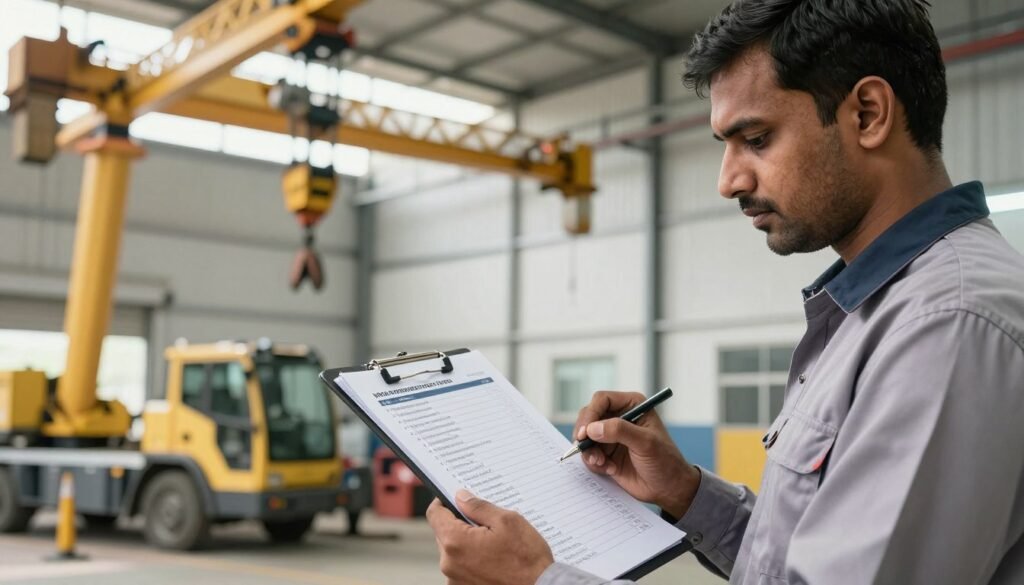
Using incorrect lubricants, replacement parts, or maintenance tools
Proper crane lubrication reduces friction and helps prevent early part failure. Wrong grease or oil can cause overheating and metal fatigue. Generic parts may weaken the entire lifting system when they replace manufacturer-approved parts.
Ignoring wire rope wear, kinks, corrosion, and improper reeving
A thorough wire rope inspection must be part of every safety routine. Operators often miss small kinks or corrosion signs until they become serious safety hazards. Wrong reeving patterns add stress to the rope and greatly shorten its service life.
Overlooking brakes, limit switches, hooks, and safety devices
The reliability of crane brakes and limit switches affects the safety of every load movement. Neglecting these parts increases the risk of dropped loads or collisions. Regular testing helps the crane stop exactly when and where it should.
Continuing to operate cranes after identifying defects
Never keep a crane in service after finding a fault. Unusual noises or sluggish controls can warn of an approaching failure. Ignoring these signs may cause costly emergency repairs and workplace injuries.
Allowing unqualified workers to perform repairs or adjustments
Complex mechanical and electrical systems need the expertise of qualified crane technicians. Repairs without proper training or certification can cause wrong adjustments and new, more dangerous hazards. Maintenance staff must have the skills needed for the equipment model in use.
| Maintenance Area | Common Mistake | Recommended Action |
|---|---|---|
| Lubrication | Using generic lubricants | Follow manufacturer specs |
| Safety Systems | Ignoring limit switches | Weekly functional testing |
| Wire Rope | Overlooking minor kinks | Immediate replacement |
| Personnel | Using untrained staff | Hire certified technicians |
Build a Reliable Crane Preventive Maintenance Program
Consistent preventive crane inspections keep lifting equipment reliable and safe. A clear program replaces emergency repairs with planned reliability. Organized tasks protect your assets and team.
Set inspection frequencies based on crane type, duty cycle, and environment
Each crane faces conditions that affect how quickly it wears. High-duty cycles in dusty or humid environments need more attention than light-duty equipment in climate-controlled warehouses. Adjust the schedule to match the machinery’s actual stress.
Use a crane maintenance checklist for daily, weekly, and periodic tasks
A standard crane maintenance checklist guides your safety strategy. It prevents teams from missing critical components during routine rounds. This tool helps operators and technicians track equipment health clearly.
Daily checks for controls, hooks, chains, wire ropes, brakes, and unusual noise
Operators should walk around the crane before every shift. They must check controls, hooks for deformation, chains, wire ropes, and brakes. They should listen for unusual noise, which may prevent a catastrophic failure later that day.
Periodic checks for structural components, electrical systems, gearboxes, and fasteners
Technical teams should perform deeper inspections monthly or quarterly. These checks cover structural welds, electrical contactors, and critical fasteners. Regular gearbox lubrication is also vital during these intervals.
Follow manufacturer instructions and applicable Indian safety requirements
Always follow manufacturer maintenance instructions when setting service intervals and replacing parts. They list the torque settings and lubrication types required for your model. Your program must also meet Indian crane safety requirements to ensure full regulatory compliance.
Separate routine servicing from specialized repairs and load testing
Routine servicing includes cleaning, lubrication, and minor adjustments. Specialized repairs and load testing require certified personnel and specific testing equipment. Separating these tasks keeps unqualified staff from complex, safety-critical work.
Keep inspection findings, corrective actions, and approvals traceable
Documentation supports a successful crane preventive maintenance strategy. Each inspection needs a signed report showing defects and later repairs. This traceability supports Indian crane safety requirements and gives management a clear audit trail.
| Task Category | Frequency | Primary Responsibility |
|---|---|---|
| Daily Operational Check | Before each shift | Crane Operator |
| Routine Lubrication | Weekly/Monthly | Maintenance Technician |
| Structural/Electrical Audit | Quarterly | Certified Inspector |
| Load Testing | Annually | Third-Party Specialist |
Perform Safer Crane Safety Inspections and Repairs
A clear inspection plan keeps crane equipment reliable and safe. A structured process helps maintenance teams find hazards before they cause costly failures or dangerous accidents. It requires careful work and strong safety standards.
Isolate power and apply lockout and tagout before maintenance begins
Effective equipment isolation is the most critical step in any maintenance task. Before touching the machinery, technicians must complete proper lockout and tagout procedures and de-energize the crane. This prevents accidental startup while personnel work on sensitive components.
Inspect structural members for cracks, distortion, corrosion, and loose connections
A thorough crane structural inspection protects the bridge, trolley, and runway beams. Technicians should look for metal fatigue, including hairline cracks and permanent deformation.
- Check all load-bearing welds for signs of stress.
- Examine bolts and fasteners for tightness and corrosion.
- Verify that the runway alignment remains within manufacturer tolerances.
Test emergency stops, pendant controls, alarms, interlocks, and limit switches
Electrical safety devices provide the final defense against operating errors. Every crane safety inspection must include functional tests of these systems. If an alarm fails or a limit switch does not engage, remove the crane from service immediately.
Evaluate lifting accessories, hooks, shackles, slings, and attachment points
Load-securing hardware often faces heavy wear and tear. A detailed lifting accessory inspection should regularly check for nicks, gouges, and chemical damage. Always replace any accessory that shows signs of stretching or deformation to avoid catastrophic load drops.
Verify repair quality before returning the crane to service
Strong standards for crane repair safety help equipment perform properly after maintenance. Quality control is required for long-term operational success.
Complete a controlled no-load test followed by an authorized operational test
Before full production resumes, the crane must complete validation tests. First, perform a no-load test to confirm smooth, responsive movement. Then complete an authorized operational test under controlled conditions to check every safety system under load.
Remove defective equipment from service until qualified personnel approve it
If testing reveals a defect, lock out the crane immediately. Only qualified personnel may approve repairs and sign off on returning the equipment to production. This policy prevents unauthorized use and protects your team from unnecessary risks.
Use Maintenance Planning to Reduce Crane Operating Costs
Effective crane maintenance planning is a reliable way to reduce crane operating costs across industrial facilities in India. Managers can replace reactive repairs with a set schedule and avoid sudden equipment failure. This plan keeps machinery productive instead of creating unexpected expenses.
Prevent breakdowns by replacing high-wear components before failure
Predictive maintenance finds parts nearing the end of their service life. Early crane component replacement prevents total breakdowns and collateral damage when a part fails during a lift. It keeps operations moving and protects your investment.
Balance maintenance schedules with production demands and crane utilization
High use rates can tempt managers to skip inspections, but this choice costs more. Align maintenance windows with production cycles so safety checks do not disrupt critical workflows. This balance supports long-term crane downtime reduction.
Track recurring defects, downtime, spare parts, and repair costs
Keep a detailed log of every repair and inspection for financial oversight. Tracking recurring issues shows whether a crane model underperforms or a component fails early. This data helps you manage spare parts more efficiently.
Train operators to report early warning signs and unsafe conditions
Operators provide the first defense against equipment failure. Training helps them spot unusual noises, vibrations, or leaks before small issues require major repairs. Regular reports help maintenance teams fix problems while costs remain low.
Use inspection data to improve purchasing and service decisions
Routine inspection data should guide future crane service decisions. Study past performance to find brands or parts that offer the best value in your environment. This insight supports smarter purchases and lowers total ownership costs.
Compare preventive maintenance costs with emergency repair and downtime costs
Treat maintenance as an investment, not an overhead expense. Preventive tasks cost money upfront, but emergency repairs and lost production time cost much more. The table shows the financial impact of different maintenance strategies.
| Maintenance Strategy | Repair Cost | Downtime Impact | Risk Level |
|---|---|---|---|
| Preventive Planning | Low (Budgeted) | Minimal (Scheduled) | Low |
| Reactive/Emergency | High (Premium) | Severe (Unplanned) | High |
| Component Replacement | Moderate | Controlled | Low |
Identify when professional crane service or component replacement is more economical
Frequent repairs can cost more than a full component upgrade. Review your preventive repair costs regularly to see whether a professional service contract or major overhaul offers better long-term value. These informed choices maintain high safety standards while keeping your operating budget under control.
Conclusion
A proactive approach to industrial lifting protects your workforce and assets. Eliminating Common Crane Maintenance Mistakes builds a secure, productive facility.
A strong crane maintenance program changes how your team manages heavy equipment. Regular inspections and manufacturer guidelines support long-term equipment reliability across your operations.
A commitment to crane safety prevents costly accidents and keeps production schedules on track. Proper documentation and qualified personnel remain vital for meeting Indian safety standards.
Treat preventive care as a core business strategy, not a simple chore. Careful, consistent work helps control repair costs and maximize the lifespan of every crane in your fleet.
Take action today by auditing your current procedures. Contact certified service providers or internal safety teams to confirm your maintenance protocols meet the highest industry benchmarks.
About OM Cranes
OM Cranes is a trusted crane solutions provider serving industries across Pune, Pimpri Chinchwad, Chikhali, and nearby industrial areas. We focus on reliable crane solutions, maintenance, servicing, inspections, and technical support to help businesses maintain safe and efficient material-handling operations.
Our experienced team works to reduce unexpected breakdowns, improve crane performance, and support longer equipment life through practical maintenance solutions.
FAQs
1. What are the most common crane maintenance mistakes?
Common crane maintenance mistakes include skipping routine inspections, delaying repairs, ignoring unusual noises or vibrations, overloading the crane, and failing to maintain proper lubrication. Regular preventive maintenance helps improve crane safety, reliability, and operating life.
2. How often should an EOT crane be inspected and maintained?
An EOT crane should undergo regular inspections based on its usage, operating environment, manufacturer recommendations, and applicable safety requirements. Frequent checks of brakes, wire ropes, hooks, electrical components, limit switches, and structural parts can help identify problems before they cause costly breakdowns.
3. Why is preventive crane maintenance important for industries in Pune and Pimpri Chinchwad?
Preventive crane maintenance helps manufacturing and industrial businesses in Pune and Pimpri Chinchwad reduce unexpected breakdowns, improve workplace safety, minimize downtime, and maintain consistent material-handling operations.
4. What crane maintenance services are available in Chikhali, Pune?
Businesses in Chikhali, Pune, can use professional crane maintenance services for inspections, preventive maintenance, troubleshooting, component replacement, electrical checks, brake and wire-rope inspections, and general EOT crane servicing.
5. Why choose OM Cranes for crane maintenance in Pune?
OM Cranes provides crane-related solutions and maintenance support for industrial businesses in Pune, Pimpri Chinchwad, Chikhali, and surrounding areas. Professional maintenance can help businesses identify potential crane issues early, improve equipment reliability, and reduce operational downtime.
 Previous Post