

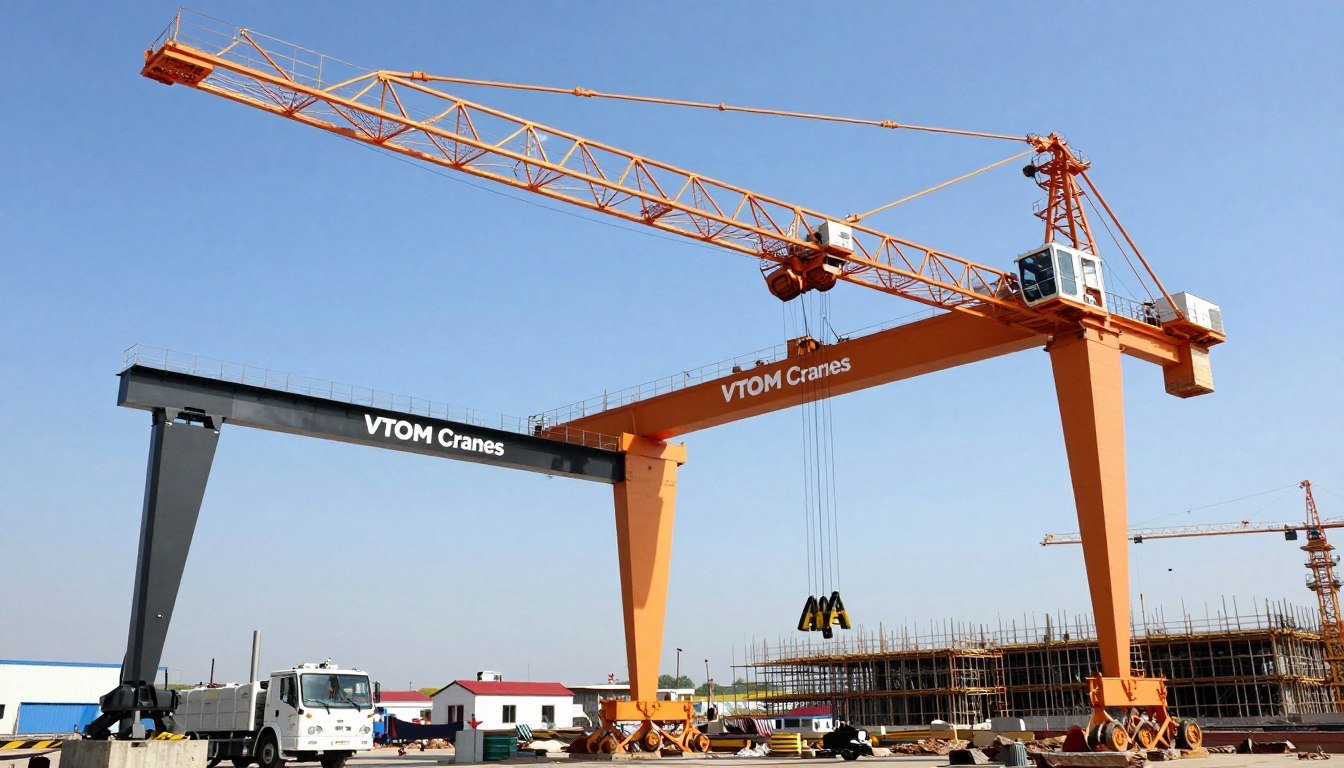
Overhead bridge systems are key in material handling across industries in India. Choosing the right equipment is crucial for managers who want to be efficient and stay within budget.
Knowing the difference between single girder vs double girder crane is important for success. This choice affects the crane’s complexity and the cost for your facility.
Comparing single girder and double girder EOT cranes models shows how load capacity and span needs guide the choice. By looking at these details, you can make sure your setup supports your production goals well.
Key Takeaways
- Overhead cranes are fundamental to industrial material handling in India.
- The choice of design significantly influences the total cost of ownership.
- Structural complexity varies based on the specific lifting requirements.
- Facility managers must align equipment selection with operational capacity.
- Proper planning ensures that budget constraints meet long-term performance needs.
Understanding the Core Mechanics of EOT Cranes
The design of an EOT crane is key to its performance and safety in factories. These systems help move materials efficiently in various industries in India. Knowing how they work helps facility managers meet their lifting needs.
Defining Electric Overhead Traveling Cranes
An Electric Overhead Traveling (EOT) crane is a special machine for lifting heavy loads. It moves on elevated runways, making it easy to transport materials over large areas. Electric motors power the crane, controlling the hoist and bridge.
Operators use pendant stations or remote controls for precise control. These cranes are vital in manufacturing, warehousing, and construction. Deciding between a single girder vs double girder crane depends on the facility’s needs.
The Role of Girders in Structural Integrity
The girder is the main beam that carries the crane’s weight. It supports the trolley and hoist, keeping the load balanced. The design and material of the girder are crucial for the crane’s stability.
There are two main types of girder construction. Rolled steel sections are used for lighter loads, while box-style girders handle heavier tasks. The choice between a single girder vs double girder crane affects the crane’s stability and load capacity.
Single Girder vs Double Girder Crane: Key Structural Differences
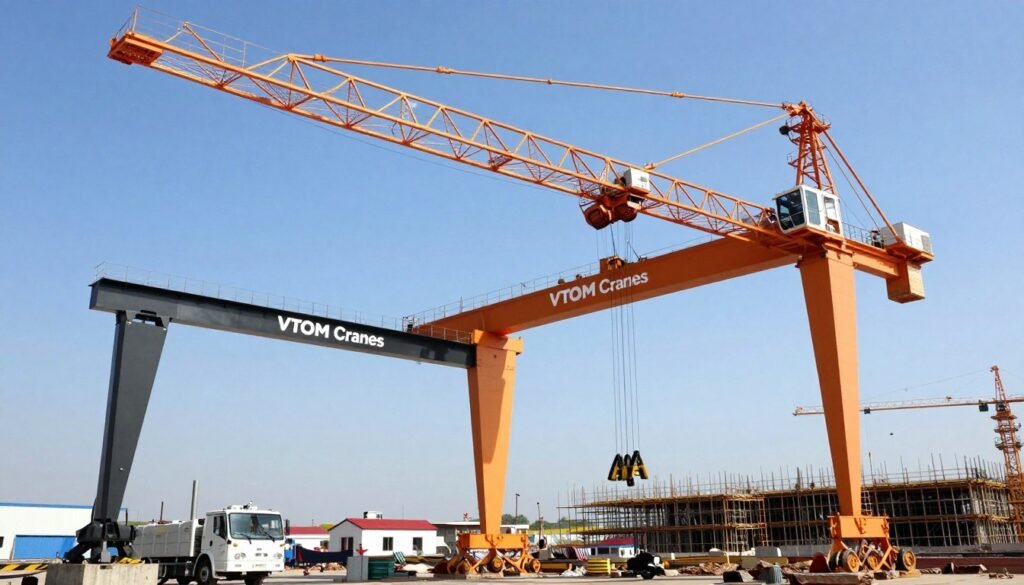
The main difference between single girder and double girder cranes is in their design and how they handle loads. Choosing the right one is key to making your industrial space in India work better. Knowing these differences helps match your equipment with your building’s needs.
Design and Configuration of Single Girder Systems
A single girder crane has a bridge with one main beam and two end trucks. The hoist and trolley run on the bottom of this beam. This streamlined design makes it lighter and cheaper for lifting lighter loads.
Design and Configuration of Double Girder Systems
Double girder cranes have two beams that support the trolley. The trolley moves on rails on top of the beams. This setup is stronger and can handle heavier loads and longer spans.
Impact of Girder Count on Hook Height and Clearance
The position of the hoist trolley affects how much space you have for lifting. Single girder cranes have the hoist below the beam, taking up space. Double girder cranes have the trolley above or between the beams, giving more space for lifting.
| Feature | Single Girder | Double Girder |
|---|---|---|
| Beam Count | One Main Girder | Two Main Girders |
| Trolley Position | Under-running | Top-running |
| Vertical Clearance | Limited | Optimized |
| Ideal Application | Light to Medium | Heavy-Duty |
Managers need to think about these points to choose the right crane for their needs. Knowing the difference between single girder and double girder crane setups helps make sure your investment is worth it. Planning well now can save you from costly changes later.
Performance Capabilities and Load Handling
Industrial facilities need to check load handling to work efficiently. Choosing the right equipment is key. It depends on how well it handles weight and how often it’s used. This helps managers improve workflow and safety.
Weight Capacity Limitations for Single Girder Cranes
Single girder systems are for light to medium-duty lifting. They usually can lift up to 20 tons. This makes them great for smaller places like workshops.
They are cost-effective because they use less space. But, they’re not for heavy lifting. They’re best for tasks that need precision and speed, not just strength.
Heavy-Duty Applications for Double Girder Cranes
Double girder systems are for heavy-duty needs. They can handle loads over 100 tons. They offer better stability and can support heavy-duty hoists.
They’re common in places like steel mills and shipping ports. Their strong build means they can handle tough work. They’re safe for moving big parts around.
Duty Cycle and Operational Efficiency
How often a crane works without breaking down is key. The duty cycle shows how often it can operate. Picking the right one keeps your crane working well for a long time.
| Feature | Single Girder | Double Girder |
|---|---|---|
| Max Capacity | Up to 20 Tons | Up to 100+ Tons |
| Duty Cycle | Light to Medium | Heavy to Severe |
| Structural Use | General Workshops | Steel Mills/Ports |
Keeping up with the duty cycle helps avoid early wear. This means fewer breakdowns and lower costs. It’s all about finding the right balance for your needs.
Installation and Maintenance Considerations in India
When planning for crane installation in India, facility managers must weigh structural requirements against operational goals. The local industrial landscape presents unique challenges, ranging from building height limitations to the availability of specialized maintenance support. Understanding these factors is essential to leverage the specific single girder crane advantages effectively.
Space Requirements and Building Infrastructure
The structural footprint of your facility dictates the type of crane system that can be installed. Single girder systems are often preferred in India because their lower deadweight reduces the load on building columns and foundations. This design choice minimizes the need for expensive runway reinforcements, which is a significant benefit for older industrial sheds.
In contrast, double girder systems require more robust support structures due to their heavier build. While this may necessitate initial upgrades to your building framework, it provides the stability required for high-capacity lifting. Careful assessment of your existing roof clearance is vital to ensure the chosen system fits without compromising safety.
Ease of Maintenance and Component Accessibility
Routine maintenance is the backbone of operational longevity for any overhead crane. Systems with fewer moving parts generally offer easier access for technicians, which is a key factor in remote or busy industrial zones. Regular inspections of the hoist, trolley, and bridge are necessary to prevent downtime and ensure worker safety.
Double girder crane benefits become apparent when considering long-term serviceability for heavy-duty tasks. These systems often feature platforms that allow maintenance teams to access components safely while the crane is elevated. This accessibility reduces the time required for repairs and helps maintain consistent production schedules.
Cost Analysis: Initial Investment vs Long-Term Value
Budgeting for a crane involves looking beyond the purchase price to the total cost of ownership. Single girder models offer immediate affordability and lower installation costs, making them ideal for light to medium-duty applications. Businesses must consider if these savings align with their long-term production growth.
Investing in a double girder system might require a higher upfront capital expenditure. Yet, the durability and higher duty cycles provided by these cranes often result in better value over time. The following table outlines the key considerations for your decision-making process:
| Feature | Single Girder Crane | Double Girder Crane |
|---|---|---|
| Installation Cost | Lower | Higher |
| Structural Load | Minimal | Significant |
| Maintenance Ease | High | Moderate |
| Long-term Value | Budget-friendly | High-performance |
Selecting the Right Crane for Your Industrial Facility
Choosing the right material handling system starts with understanding your facility’s needs. You must decide between a single girder vs double girder crane based on your daily operations. This ensures your investment pays off.
Assessing Your Lifting Requirements
First, determine the maximum weight of loads you’ll move. Think about how often you’ll lift these loads. This helps decide if you need a strong or lighter system.
Also, consider the type of materials you’ll handle. Fragile or dangerous items might need special hoist features. Precision and control are key when picking the right lifting capacity for your industry.
Evaluating Factory Floor Constraints
Your building’s design affects crane installation. Measure the span and vertical space between the floor and roof. These measurements help choose the right crane type for your space.
When deciding between single girder or double girder, think about headroom. Single girder cranes work well in tight spaces. Double girder cranes offer more height and stability for bigger areas.
| Feature | Single Girder | Double Girder |
|---|---|---|
| Headroom Requirement | Low | High |
| Load Capacity | Light to Medium | Heavy |
| Installation Cost | Economical | Higher |
| Maintenance Ease | High | Moderate |
Safety Standards and Compliance in the Indian Market
Safety is crucial in India. All cranes must meet Bureau of Indian Standards (BIS) and IS codes. This ensures a safe workplace.
Getting expert advice is wise to follow these rules. Experts can guide you on which crane is better single girder or double girder for local safety standards. Always choose certified equipment for safety and reliability.
Conclusion
Choosing the right lifting equipment is key. It depends on your goals and the layout of your facility. Deciding between a single girder or double girder crane is crucial for any project in India.
Single girder systems are great for lighter loads. They save space and money. They’re perfect for businesses that need to move quickly and watch their budget.
Double girder cranes are better for heavy tasks. They can lift more and reach higher. Your choice depends on the weight you need to lift and your building’s layout.
Think about your production flow to pick the right crane. Good planning means your investment will help your business grow and stay safe. Talk to local experts at brands like Demag or Konecranes to find the best fit for your facility.
About Us
At OM Cranes, we provide reliable industrial lifting solutions including single girder and double girder EOT cranes for manufacturing units, warehouses, engineering industries, and heavy industrial applications across Chikhali, Pune and PCMC. Our team helps industries choose the right crane system based on load capacity, span, workspace, and operational requirements to ensure safe, efficient, and cost-effective material handling solutions.
FAQs
1. Which is better: single girder or double girder crane?
Single girder cranes are ideal for light to medium-duty lifting, while double girder cranes are suitable for heavy-duty industrial applications requiring higher load capacity and greater lifting height.
2. What is the difference between single girder and double girder EOT cranes?
A single girder crane uses one bridge beam and is more cost-effective, whereas a double girder crane uses two bridge beams for handling heavier loads, longer spans, and higher operational efficiency.
3. Which crane is best for factories in Pune and PCMC?
For small and medium industries in Pune and PCMC, single girder cranes are commonly preferred for economical lifting solutions, while heavy industries often choose double girder cranes for high-capacity operations.
4. Are double girder cranes suitable for heavy industrial applications?
Yes, double girder cranes are designed for continuous heavy-duty operations, higher lifting capacities, longer spans, and improved hook height in industrial environments.
5. Does OM Cranes provide crane solutions in Pune and PCMC?
Yes, OM Cranes provides single girder, double girder, EOT crane installation, maintenance, and AMC services for industries across Pune, PCMC, and nearby industrial areas.
 Previous Post